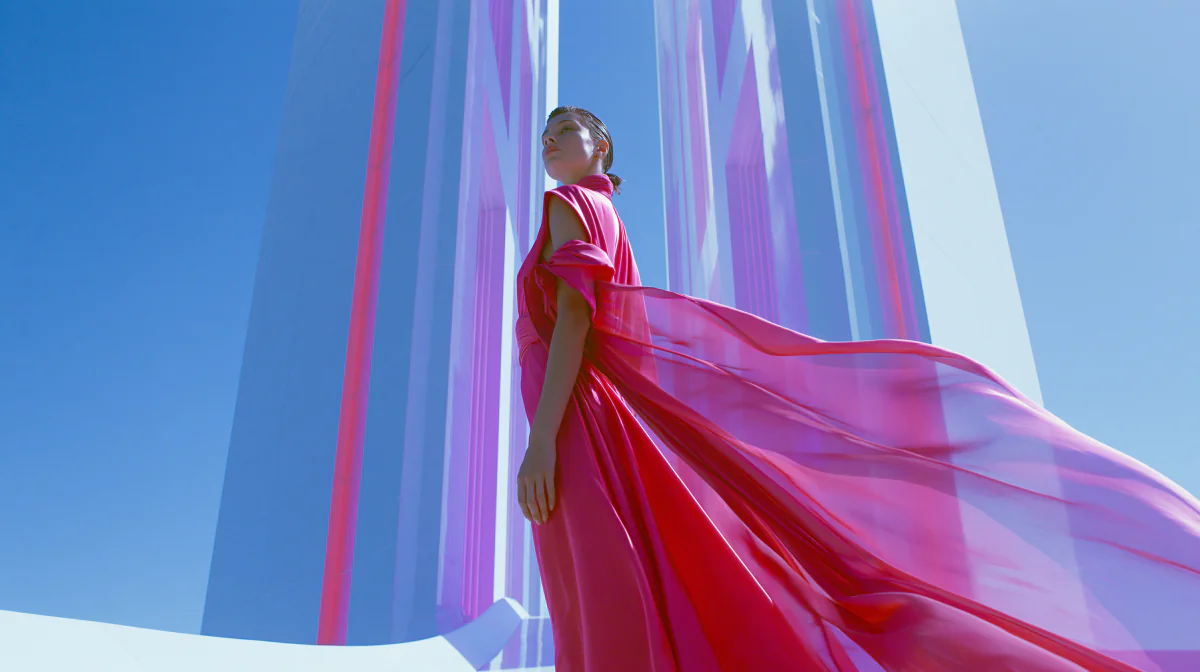
EAST ASIA · SYMBOLIC CITY · CONCEPT
Kyotara
A horizon of refinement, discipline, and future tension.
Kyotara is one of ten symbolic cities on the Nexusland map. The map is symbolic: a picture of belonging, not real territory, sovereignty, or property. Imagined, not built: there is no live product yet.
Nexusland Conceptual Art · CONCEPT
WHAT IT IS · CANON
A principal city
The city of the map for East Asia.
Each Earth region of the map is represented by one principal city: a visible social, cultural, and cartographic center through which Residents are meant to be grouped, oriented, and welcomed. It is not a substitute capital for the real countries inside the region.
- RegionEast Asia
- LayerThe Earth layer: one of ten cities.
- StatusThe name and meaning are CANON. The city itself is imagined.
Nexusland Conceptual Art · CONCEPT
THE RECORD · CANON
What the canon says
Everything the documents say about Kyotara, and nothing added.
No districts, squares, or residents are invented here. Where the canon is silent, this page is silent too.
- RegionCANON
East Asia.
- Public meaningCANON
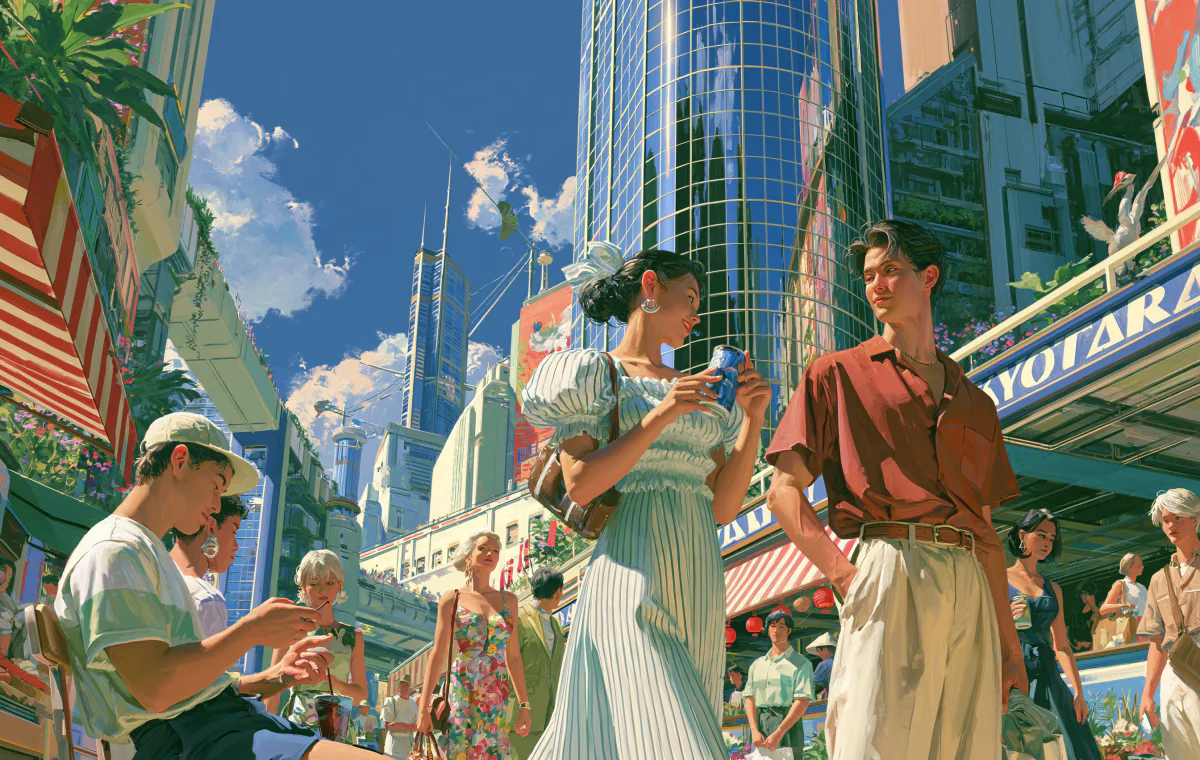
A technologically and culturally dense horizon of refinement, discipline, and future tension.
- Map noteCANON
Kyotara represents the eastern Asian arc and serves as the principal city for one of the most technologically and culturally dense zones in the map.
- A pagoda corniceHORIZON
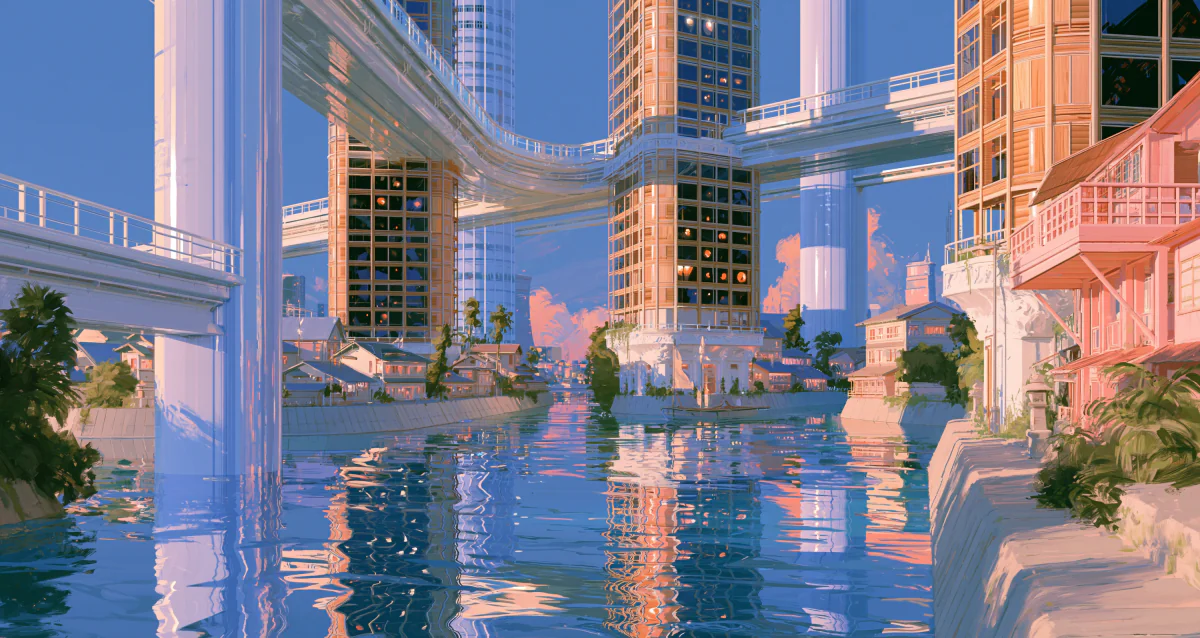
Every city culture has its own logic of setbacks. In Kyotara a tier of a tower is meant to be crowned by a pagoda cornice, so even towers built of identical sections give different silhouettes.
- Different by designCANON
The photographers of Kyotara and the photographers of Euronis are different communities, with different charters, different styles, and their own towers.
- Its own atmosphereCANON
The city of Euronis should not feel visually identical to Zawadi or Kyotara. A Resident should still understand how a city works, because the underlying grammar remains stable.
HOW THE CITY IS ARRANGED · HORIZON
Communities as buildings
Builders raise the height. The audience lights the windows.
Kyotara is designed like every city of the map: seen from the side, with every community as a building. A city holds its own communities, with their own charters and their own towers.
Nexusland Conceptual Art · CONCEPT
THE NIGHT SKY · HORIZON
A sky that accumulates
The sky is shared across a whole hemisphere.
At night the sky above the city is meant to open into a map of stars, where a person may light one star for an event of their life. It is the memory of the city: not a feed that burns out.
Nexusland Conceptual Art · CONCEPT
THE HONEST CITY RULE · CANON
Better a dark window
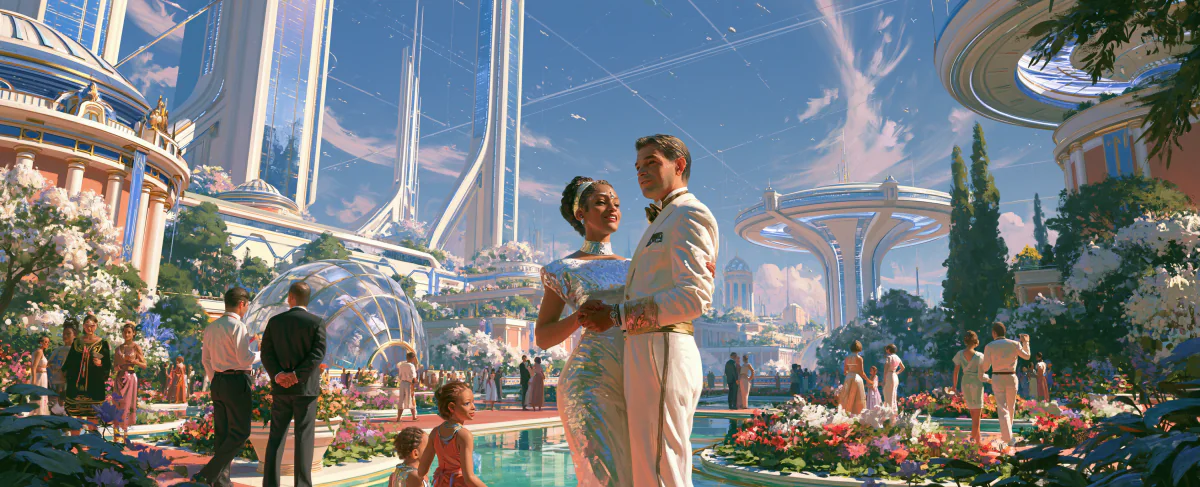
Better a dark window than painted light.
No one lives in Kyotara today, and nothing here is written as if someone did. There is to be no artificial life in the city: no invented residents and no simulated activity.
Nexusland Conceptual Art · CONCEPT
CANON NEXT IN THE ATLAS
Two more cities
The ten cities share one structure and differ in character.
Kalfara
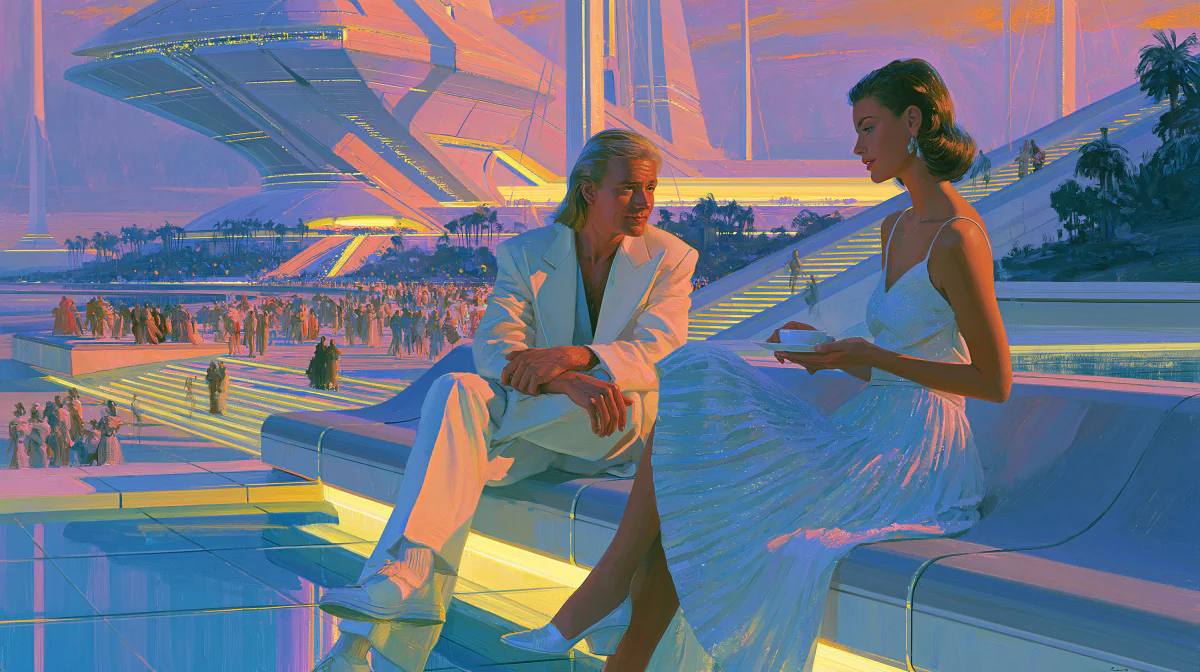
Western, Central, and South Asia. A broad arc of history, trade, and connection.
Indoraya
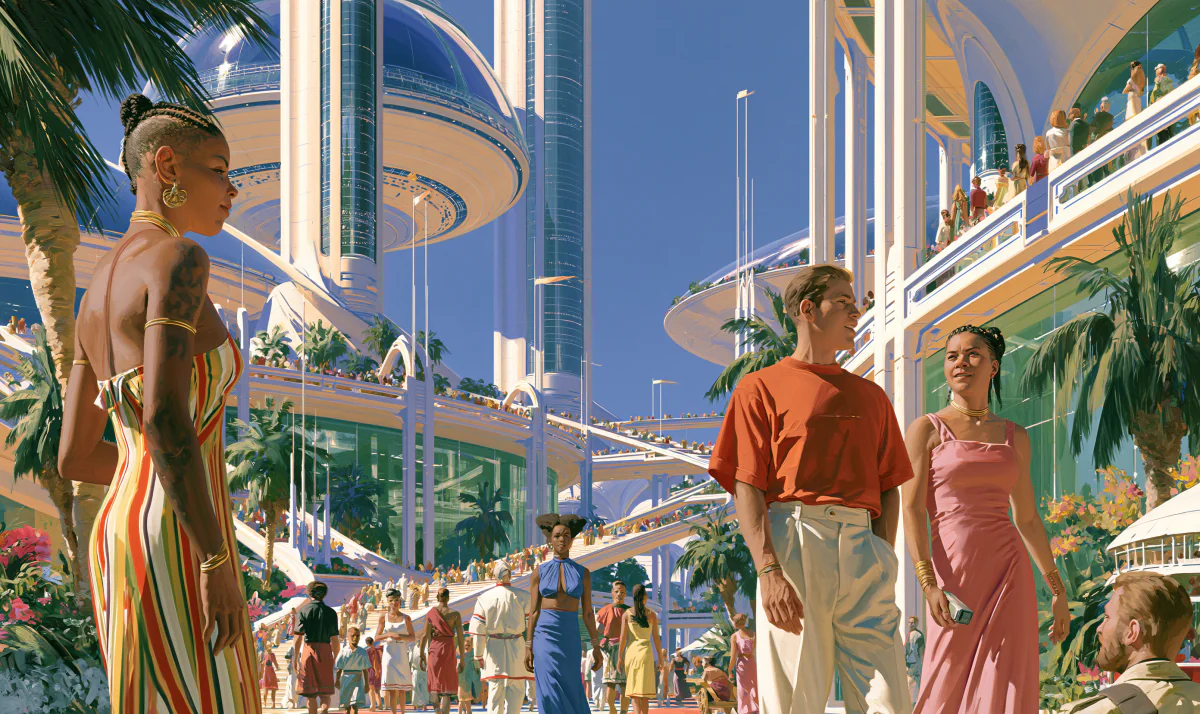
Southeast Asia. A city of exchange, maritime movement, and living abundance.
Nexusland Conceptual Art · CONCEPT
THE ATLAS
Ten cities, one map
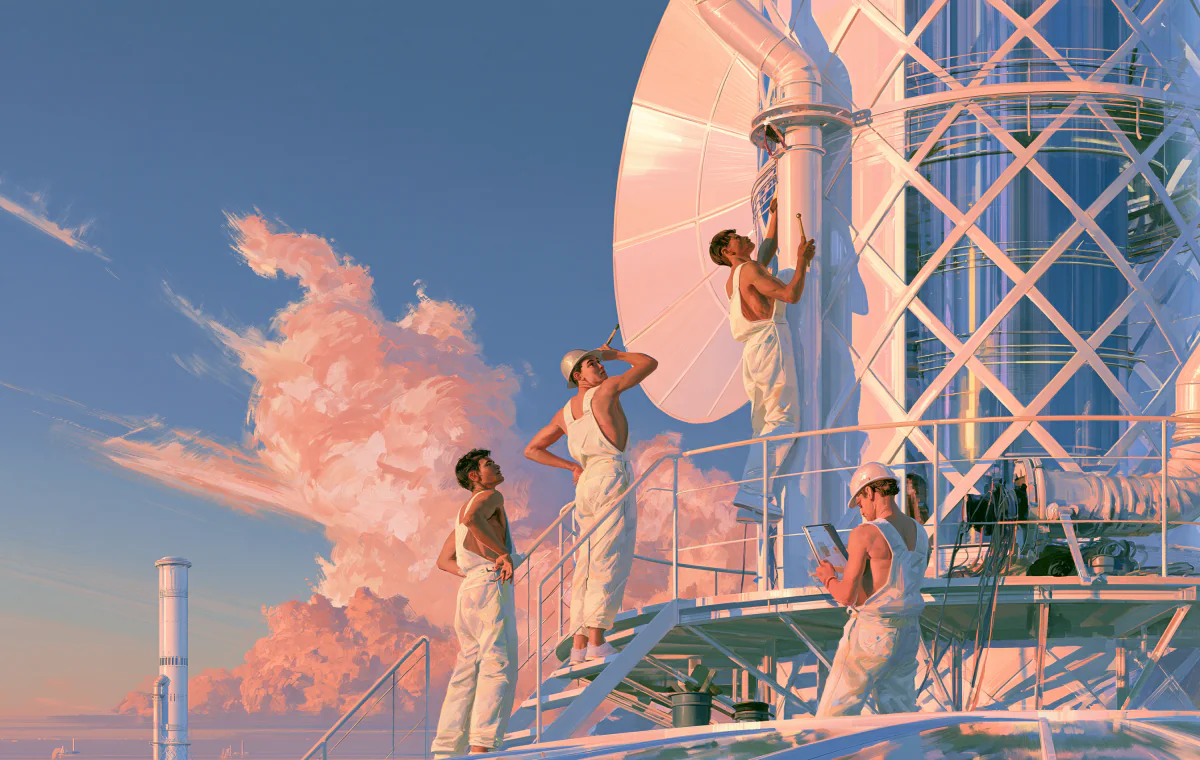
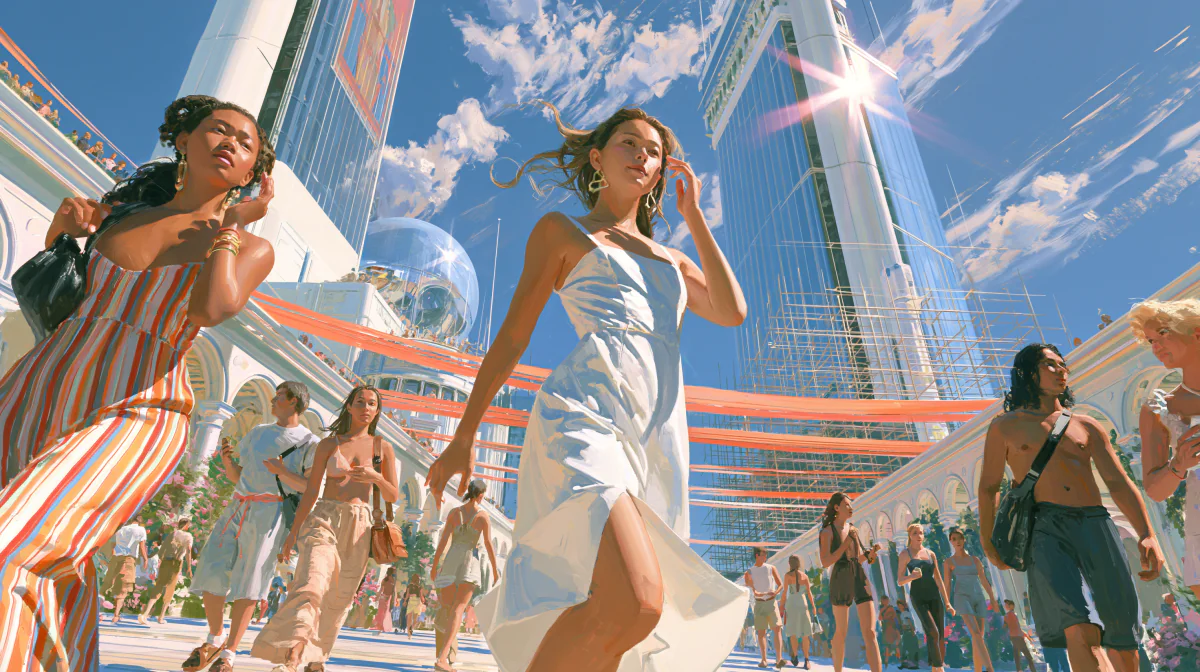
A city in scaffolding is more beautiful than an empty one.
Every city of the map follows the same rules. The index holds all ten.
Nexusland Conceptual Art · CONCEPT